2025 Strategic tech trends: A guide for CIOs to navigate the future
In today’s fast-evolving job market, there’s a growing trend towards skills-based hiring, which places a stronger focus on a candidate’s practical abilities rather than traditional qualifications like degrees or titles. This shift is fundamentally changing how companies approach recruitment, resulting in more dynamic and diverse workforces.

.png)
In the ever-evolving world of technology, staying ahead is key, especially for CIOs and IT leaders tasked with setting a digital course. Gartner’s “Top 10 Strategic Technology Trends for 2025” report is designed to do exactly that: it provides a “star map” to navigate through the decade’s key innovations and challenges, highlighting both powerful possibilities and potential pitfalls. Let's dive into these trends, each organized under three core themes that Gartner identifies: AI imperatives, new frontiers of computing, and human-machine synergy. AI imperatives and risks In the realm of artificial intelligence, the 2025 landscape is defined by opportunities for both productivity and potential disruption. 1
. Agentic AI
Imagine a virtual workforce where AI operates autonomously, assisting or even replacing certain tasks traditionally handled by humans. Known as Agentic AI, this technology allows autonomous agents to plan and execute goals. While the benefits include offloading and augmenting human work, CIOs should tread carefully: “Robust guardrails are needed to ensure alignment with user and provider intentions.” 2. AI Governance Platforms
As AI capabilities grow, so does the need for governance to maintain ethical and legal standards. Gartner highlights the role of AI governance platforms in managing and enforcing policies around AI use, helping to “build trust and accountability.” For CIOs, implementing AI governance solutions can clarify AI’s “operational performance” and ethical stance, ensuring the technology aligns with broader organizational values. Disinformation Security
Addressing the growing risk of misinformation, disinformation security technologies create a new category aimed at systematically discerning trust. This trend emphasizes “validating identity and preventing account takeover through adaptive risk models,” which are essential for protecting brand reputation in a digital world prone to manipulation.
New frontiers of computing
The second theme underscores innovations that redefine traditional computing paradigms.
Post-Quantum Cryptography (PQC)
With quantum computing on the horizon, existing data protection measures could become obsolete. Post-quantum cryptography prepares organizations for this shift by safeguarding data against potential quantum decryption. Gartner notes that PQC isn’t a “drop-in replacement” for current algorithms, but for industries with long-term data sensitivity, it’s a must.
Ambient Invisible Intelligence
Integrated seamlessly into environments, ambient intelligence allows for intuitive, real-time tracking and data usage. Gartner points out its dual benefits: “improving efficiency” and “enhancing user experience.” Yet, to succeed, businesses will need a solid data consent and privacy plan.
Energy-Efficient Computing
As sustainability becomes a critical metric, energy-efficient computing emerges as a powerful solution. This trend addresses environmental and commercial pressures by minimizing the carbon footprint through optimized hardware, code, and renewable energy. Although “migrating to new platforms can be complex and costly,” businesses will increasingly prioritize sustainability, both as a legal and market imperative.
Hybrid Computing
Gartner’s vision of hybrid computing combines diverse computing mechanisms for high efficiency, speed, and transformative automation, driving what they describe as “autonomous businesses and augmented human capabilities.” However, high costs, security challenges, and integration demands mean that hybrid computing will require CIOs to assemble highly skilled teams to manage its complexities.
Human-machine synergy
Finally, the report turns to innovations that enhance collaboration between the digital and physical worlds.
Spatial Computing
Digital meets physical in spatial computing, which uses augmented and virtual reality to create immersive experiences. From gaming to healthcare, industries are set to benefit from these “interactive experiences,” although high equipment costs and complex interfaces present challenges. However, with demand surging for both immersive experiences and sophisticated visualization, spatial computing is poised to grow.
Polyfunctional Robots
Shifting beyond task-specific machines, polyfunctional robots deliver versatility and speed, making them a low-risk investment with fast ROI. Gartner emphasizes their unique advantage: these robots “switch seamlessly between tasks” without requiring architectural changes. For CIOs, polyfunctional robotics can mean scalable solutions in industries ranging from manufacturing to healthcare.
Neurological Enhancement
Perhaps the most futuristic of all, neurological enhancement offers the possibility of augmenting human cognition. These technologies decode brain activity for improved education, safety, and personalization, and even allow older employees to extend their careers. Yet, CIOs should be mindful: Gartner raises ethical concerns around “altering users’ perception of reality,” as well as the invasiveness of direct brain interfaces.
Strategic implementation for CIOs
By leveraging Gartner’s tech trends for 2025, CIOs have a roadmap to guide mid- and long-term strategies. From AI risk management to sustainable computing practices and enhanced human-machine interactions, these innovations signal a new era. For IT leaders, “the challenge will be in anticipating how business models might need to change” as these trends redefine the workplace and marketplace.
In conclusion, Gartner’s insights provide a framework for planning responsibly, especially in fields like data security, AI ethics, and sustainability. As we approach 2025, CIOs who prioritize these trends will position their organizations for success, crafting a future where technology, ethics, and sustainability intersect harmoniously.
Read more

iOS 26 launch: what it means for technology and talent

Would you rather work with SwiftUI or UIKit?
Why Using Next.js Is the Best Way to Benefit from React?

Why Staying Current With Technology as Programmer is Essential?

Why Isn't Blockchain Getting The Attention It Deserves?

Why Every Serious Flutter App Needs a Root Screen
Which Is Better For 2022: Kotlin or Java?

What is Atomic Design System Methodology?

What are the Benefits of Using WPF?

What are NFTs and How May They Help Your Business Stay Relevant?

What Is a Self-Healing Software and What Are the Main Principles?
What Is Web3 Technology, How Does It Work, Benefits

What Is JavaScript: Pros, Cons & Use Cases

What Is Digital Transformation Strategy: Everything You Need To Know

What IT talents should highlight on CV

What Digital Transformation in Manufacturing Means for Your Business

What Are the Benefits of Using .NET for Game Development?
What Are Web3 Apps: How Are They Changing Our Daily Lives

What Are Smart Contracts and How Can They Transform Your Firm?
Web3 Technologies: Top Three Technologies Powering the Internet of Tomorrow
Web3 Benefits: How The New Internet Is Improving Our Lives

Web2 vs. Web3: How They Compare
Web 3.0 Benefits and Drawbacks
Transform Your Workflow with Human-AI Collaborations
Top Seven Machine Learning Applications in 2024
Top Five React Libraries of 2024 That Will Take Your Project to The Next Level
Top Five Blockchain Use Cases: Transforming Industries Beyond Cryptocurrency

Top 9 Data Warehousing Trends to Watch This Year

Top 5 Nearshoring Trends for 2021

Top 10 programming languages for 2025: What’s hot and why

Three Groundbreaking AI Trends Redefining the Future

The shift towards skills-based hiring: A new era of talent acquisition
.png)
Generative AI's game-changing potential for virtual meetings

The Ultimate Guide to 15+ Types of Digital Transformation Models: What They Are, Why You Need Them & How To Choose the Right One

The Top Trends in 2022 for Outsourcing Practices

The Top 5 Issues That New Programmers Face
The Role of Digital Transformation in Finance Industry Evolution
The Ins and Outs of AI In Strategic Planning: A Guide for Executives

The Four Principles of Object-Oriented Programming

The Benefits of Smart Contracts: A New Era of Trust and Transparency

The AI Surge in Tech Hiring and Recruiting
The A-Z of Digital Transformation in Banking Industry

Ten QA Testing Best Practices That Make All the Difference
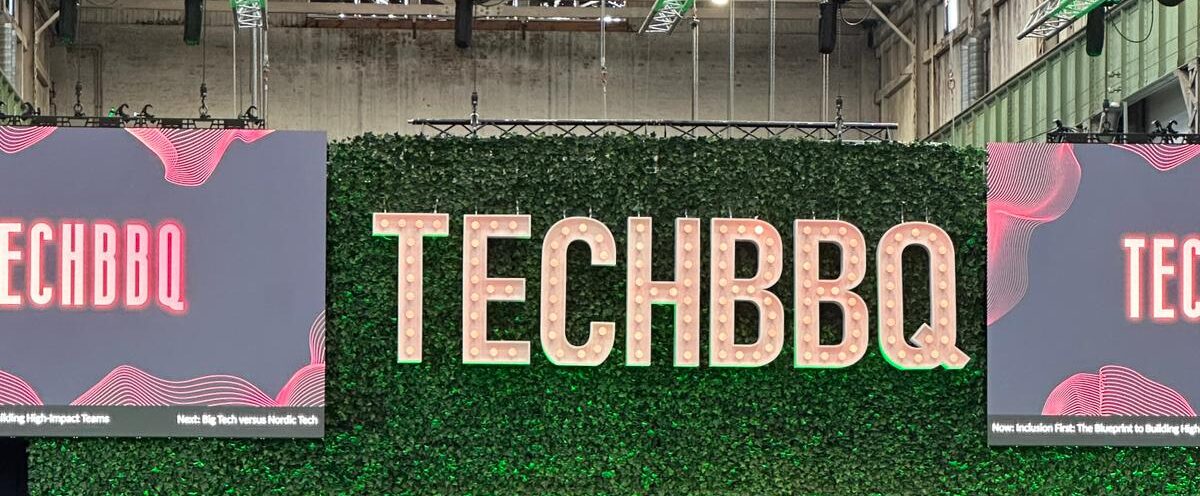
TechBBQ 2024: SnapStack takes ‘One Giant Leap’ into the heart of innovation
Swift vs. Objective-C: Which is Better to Choose?

Streamline your recruitment efforts with RPO: The key to efficiency and cost-effectiveness

ServiceNow - What Is It and Why Do We Use It?

SW Development Challenges in 2022 and How to Solve Them
Real-World Examples of Blockchain in Action & The Benefits It Brings to Different Industries
ROI of Digital Transformation: A Step-by-Step Guide to Measuring & Maximizing Your Digital Investments

Quantum Computing: Current Status and Future Prospects
QA Testing: Definition, Importance, Types, Best Practices & Common Challenges
Python Trends to Watch for in 2022

Pros and Cons of Microsoft Azure

North Macedonia: Facts and Figures
Multimodal AI Models: The Latest Craze in the AI Domain

Most Popular Java Frameworks to Watch in 2023
Malware Types and How to Avoid Them

Main Advantages of ASP.NET for Web Applications in 2022

Let’s Meet and Talk: Where to Find Us in 2025
Key Digital Transformation Goals for Modern Businesses: Drive Customer Experience, Boost Productivity, and Achieve Market Domination

Keep an eye out for this technology in 2023
Is Rust the Future?

IoT in Retail: Why 70% of Retailers Are Considering IoT Adoption
IoT in Manufacturing: A $3.7 Trillion Economic Impact by 2025

IoT in Healthcare: What It Is, How It's Used, Its Importance & Vulnerabilities
IoT in Customer Service: The Future of Support
.png)
Innovation that protects workers
How To Set Digital Transformation Goals that Yield Results
How To Integrate AI for Financial Forecasting: The Ultimate Guide for CFOs
How To Develop a Digital Transformation Strategy: The Ultimate Guide

How To Accelerate Digital Transformation & Get the Best Results, Fast

How Is Blockchain Reshaping the Gaming Industry?
How IT Consulting Paves the Way for Digital Transformation
.png)
Gen Z Contractors in 2025: It's Not Just About the Perks

How Do Smart Contracts Work: Step-By-Step Explanation

How Digital Transformation in Retail is Shaping the Future of Shopping Experiences

How Did Python Become So Popular?
How Blockchain Is Revolutionizing Supply Chain Processes
How AI in Financial Forecasting Can Revolutionize CFO Decision-Making
How AI Is Redefining Recruiting Excellence: Insights from LinkedIn’s 2025 Report

Greenfield vs. Brownfield Software Development & Which One to Choose

Gen AI Integration: A Detailed Guide for CIOs and Business Leaders
Future Unlocked-The Role of Human Augmentation in our Lives
Flutter in 2022 - Pros and Cons

Five Applications of IoT That Will Convince You Of Its Potential to Change the Way Business Is Done

Finding the Right Resourcing Model for Your Business
Examples of Digital Transformation That Will Nudge You to Start Transforming Your Business

Everything You Need to Know About Embedded Solutions
Ethical Hacking & Penetration Testing - Everything You Need To Know

Emerging Technologies to Watch in 2023

Emerging IoT Trends in 2023

Digital Transformation in Healthcare: Why You Should Get On Board

Digital Transformation Trends in Retail That Are Upping the Game
Digital Transformation KPIs & How To Pick The Right Ones for Your Initiatives
Digital Transformation Challenges: A Guide to Overcoming People, Technology & Leadership Hurdles

CNIL Recommendations for GDPR-Compliant AI Development

Body Leasing VS. Hiring Internally